JetBrains Academy
The place for learning and teaching computer science your way
“Friction-maxxing”, Failure, and Learning to Code

In a culture obsessed with optimization (global maximums only, please), the internet has taken a particular enjoyment in finding things to “maxx”: tokenmaxxing, looksmaxxing, funmaxxing, sleepmaxxing, etc. If only we find the right virtue to optimize, perhaps all will be right in our lives. Earlier this year, one of these emerging net-native neologisms caught my attention because of the way it echoes a concept in education research that I think deserves more attention.
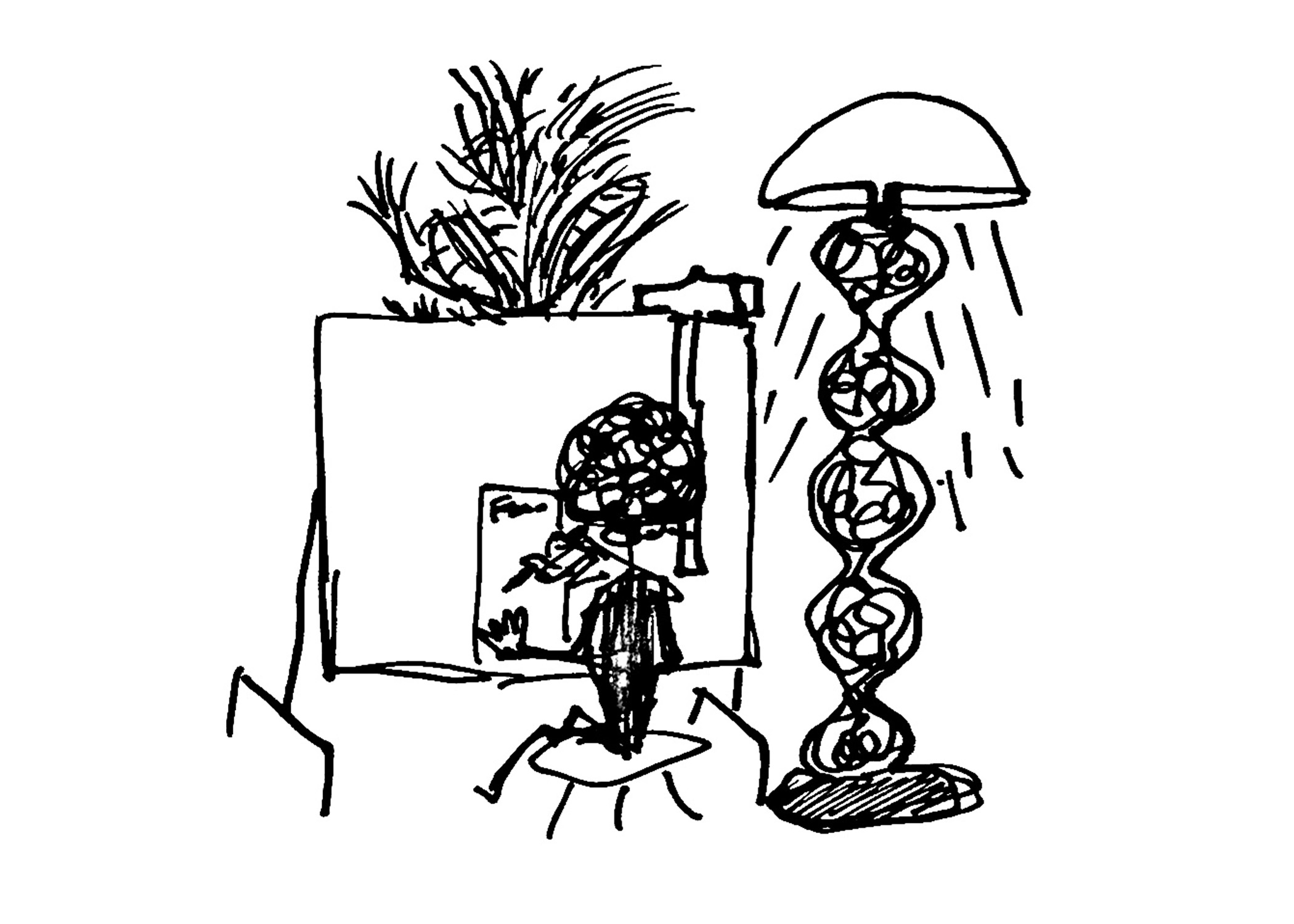
“Friction-maxxing” is the internet-native’s name for increasing the amount of friction in our passive and hyper-convenient, smooth-city lives. The term is said to have originated in an essay by sociologist Kathryn Jezer-Morton. With endless services and products designed to make our lives more efficient and easier, friction-maxxing is a lifestyle that believes in the value of doing hard things. It might be that embracing and seeking these things out is actually what makes you smarter and happier in the long term.

As silly as it is, taking this idea seriously could hold the key to getting through a computing program with your critical and computational thinking intact. It might also make you happier, smarter, more resilient, and better equipped for the absolutely wild job market we are hurtling toward at top speed.

How does all of this apply to learning technical skills? Well, over the past few decades, lots of research, courses, and products have emerged with the express goal of making learning to code easier. Smoother.
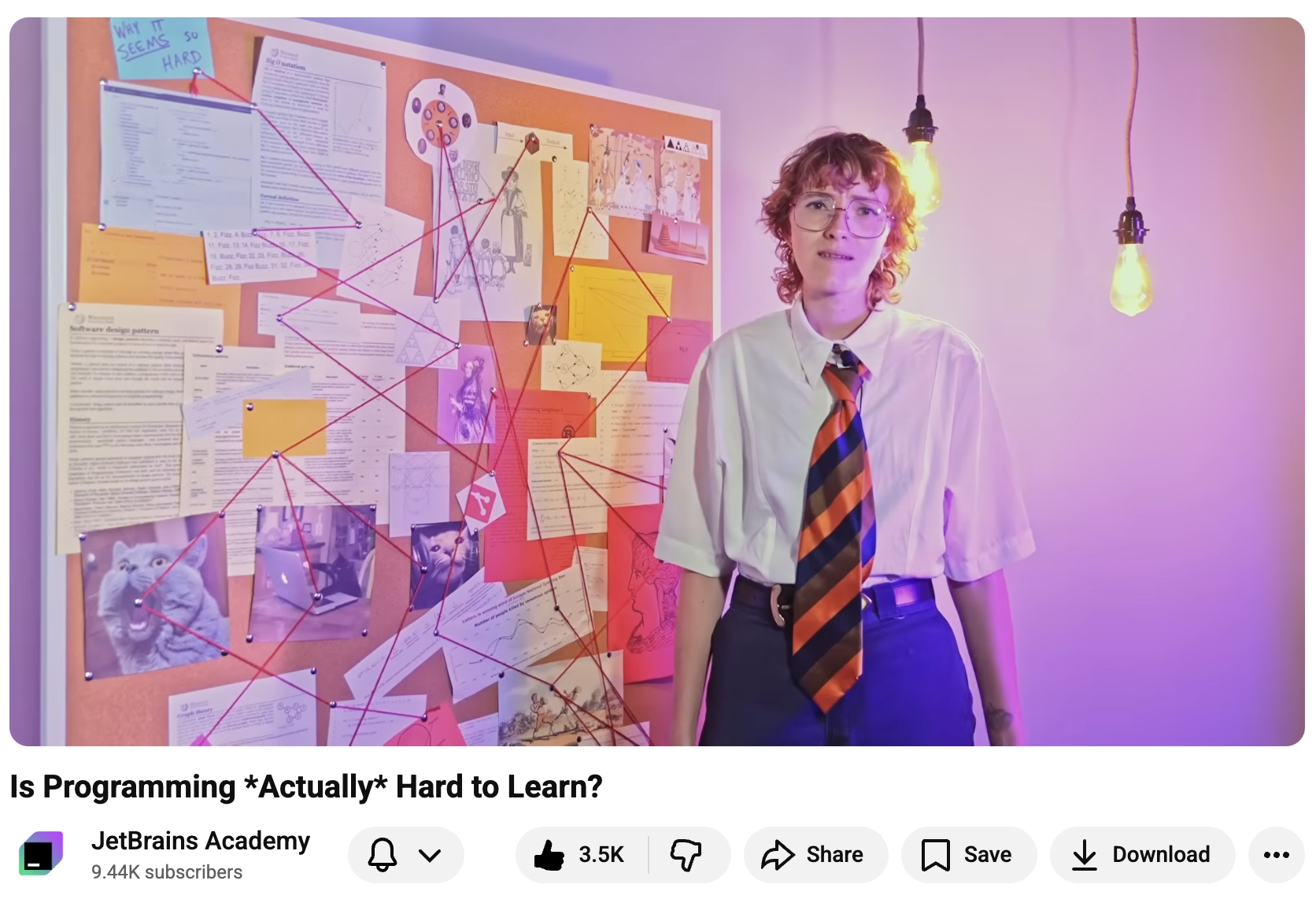
It’s a domain with a steep learning curve. Research suggests that Introductory CS courses have some of the lowest pass rates compared to other STEM fields. As I discussed in my video Is Programming Actually Hard to Learn?, this reputation isn’t because only 0.6% of human brains are capable of learning to code; it’s more of a cultural belief that becomes a self-fulfilling prophecy reflected in the data. Thankfully, a lot of people are working to change that by helping to make learning computing skills friendlier to all kinds of brains and bodies.
If we’ve smooth-maxxed our way to a place where information is ever-present but the time and attention needed to process, learn, and master it is absent, where does that put us? Is anyone actually doing any learning here, or are we just hoarding Coursera courses for a day that never comes?
DO HARD THINGS
As I discussed in a previous piece and (upcoming!) video, AI tutoring tools can have the eerie effect of making you feel like you’re learning more than you actually are. This is, to some extent, the final form of smooth-maxxed education. Simply dunk your brain into the machine, watch passively as it produces magic, debugs your code, explains a concept, and then surface, head empty. A smooth learning experience, yet almost nothing learned.
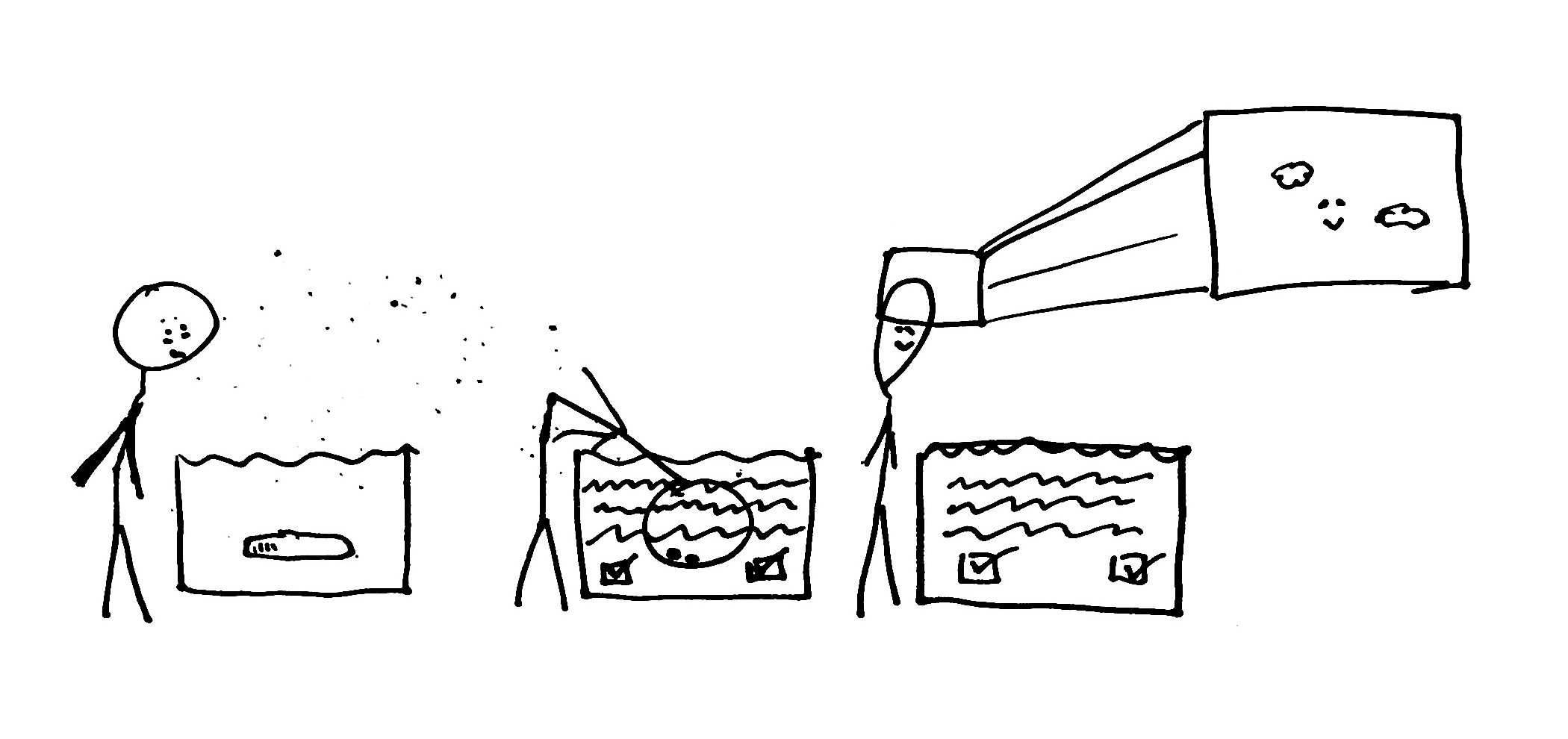
I’ve mentioned the importance of developing computational thinking before. Given the uncertainty of how good AI is ultimately going to become at technical disciplines, it’s kind of the only skill I can responsibly say will remain useful. Well, that, spec-driven development, and mastering LLMs… someone should know what’s going on behind the scenes.
In my previous work, I advocated that people pick up these mysterious skills with the clichéd, vague advice: “do hard things.”
Now, let’s actually go a little deeper into the research on learning, friction, and failure, inspired by this (several months out of date) cultural moment of friction-maxxing.
THE RESEARCH
If we lived in a world where Git commits gatekept access to food, maybe babies would evolve to pick up a bit of Python passively by age three. Thankfully, that’s not (yet) the case. Babies expend no effort in learning languages because they benefit from our brain’s capacity for passive neuroplasticity.
While there are many domains of knowledge where experiential, play-based learning is sufficient to impart essential skills, software development is not one of them. Despite being surrounded by technology and code all day, if you want to learn to build software, you’re going to need to put some effort into it.
This “effort” is, in practice, a capacity we develop as adults to engage our active neuroplasticity to learn things through concentrated effort rather than just being a sponge. Adults can achieve the exact same learning outcomes as children; we just need to learn things more incrementally. This is why we learn through courses with structured curricula instead of having an AI read us the most beautiful lines of code ever written before we go to bed.
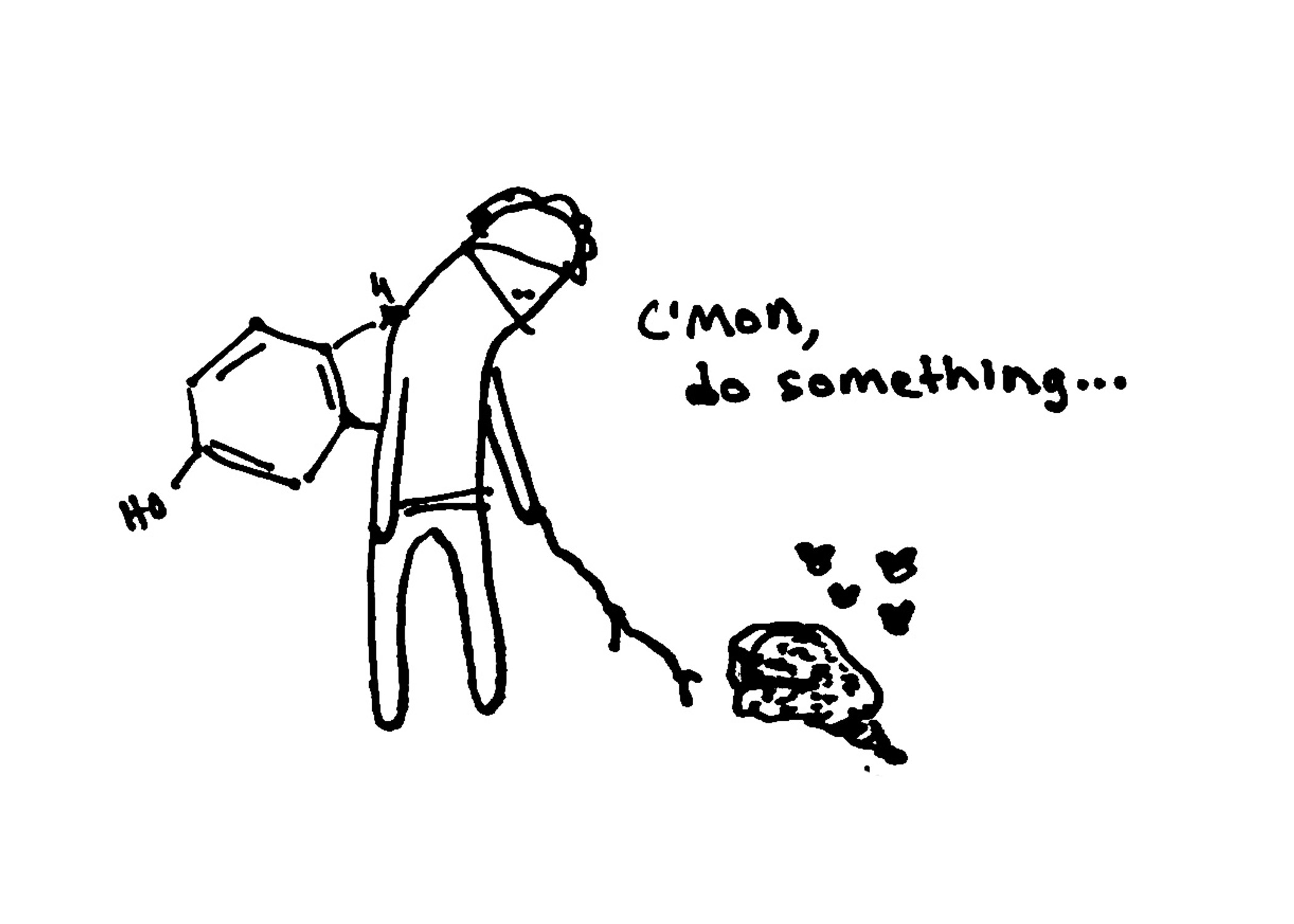
In the brain, activating our active neuroplasticity involves a cocktail of hormones regulating how alert ((nor)epinephrine), motivated (dopamine), and satisfied (serotonin) we are. This alertness or stress we feel in response to a challenging problem is literally the trigger to prepare our brain to learn something new. Failing and making mistakes are especially important, since they activate our memory more effectively than getting everything correct.
In computing, this productive failure often takes the form of debugging, which, while comparable in enjoyability to eating rocks, is how many senior developers say they built their deep understanding of code and technical systems.
Contrary to the besties on your short-form feed, learning research disagrees that we need only to “maxx” out on friction and failure to achieve genius status. Too much failure too soon can lead to demonstrably worse learning outcomes. As learners, we have to learn to adequately deal with the discomfort of learning before it sabotages our self-esteem and we stop believing ourselves capable of climbing the learning curve.
In education research, dealing with the bad feelings that come with learning new stuff is known as self-regulation. The good news is, there is an ever-growing catalog of interventions that can help people stay chill enough to succeed in doing (and failing to do) hard things.
The bad news is, self-regulation strategies are almost never taught to students explicitly, especially in computing, where most curricula are allergic to any mention of a “person” with “feelings”. Why is this? I honestly see no good reason for it. My best guess is that maybe for the educators who tend to teach computing skills, these self-regulation practices were obvious or invisible to them. Maybe they happen to be the people who struggled with failure less, due to their own biochemistry or cultural background.
Nevertheless, this gross oversight can be corrected fairly easily. This excellent paper even made a one-page handout, the “Student’s Guide to Learning from Failure”, which details a wealth of science-backed strategies for managing the hormones bouncing around your wrinkly blob.
One read-through of the Student’s Guide might give a few good tips, but the important thing is actually putting them into practice. Simply knowing about behavior change strategies does not guarantee long-term change. The sauce is in the doing, the failing, and the re-doing. Most importantly, it’s also in learning when to not do. We need downtime to integrate new knowledge and rest to regulate our bodies. Could it be that the most productive friction in education is to be found not in seeking out more information, but in slowing down and integrating the information we already know? Possibly, but I need some time to think about it.
If you liked this, check out our series How to Learn to Program in an AI World: Is It Still Worth Learning to Code?, Learning to Think in an AI World: 5 Lessons for Novice Programmers, Should You use AI to Learn to Code?, and How to Prepare for the Future of Programming.