ReSharper C++
The Visual Studio Extension for C++ Development
ReSharper C++ 2025.3: C++26 Language Support, Faster Unreal Engine Startup, and Visual Studio 2026 Compatibility

We’re excited to announce that ReSharper C++ 2025.3 is here, bringing major language updates, performance improvements, and a refined UI in the upcoming Microsoft Visual Studio 2026 release.
This version advances C++26 support with new language features, improves constexpr evaluation, and offers a refined Out-of-Process mode for smoother, more responsive performance. Unreal Engine developers will also notice a dramatic improvement in warm startup time.
C++26 support
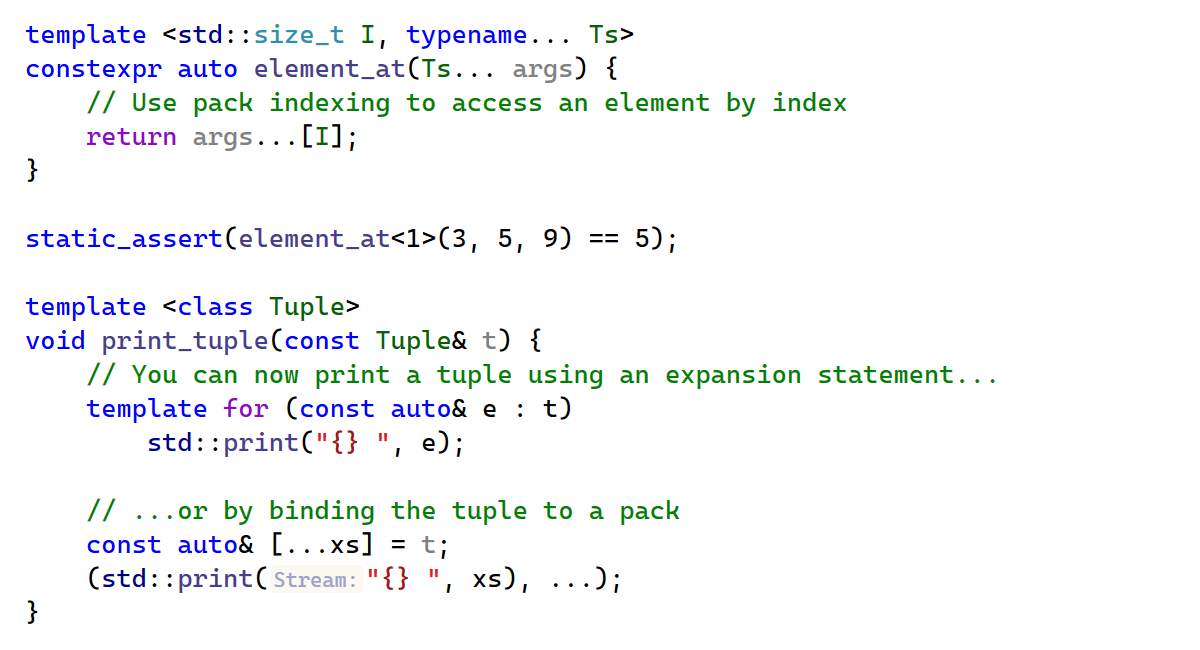
ReSharper C++ 2025.3 continues our work toward complete support for the upcoming C++26 standard. This release adds several major language features:
- Pack indexing: Individual elements within a pack can now be accessed using the subscript operator.
- Expansion statements: You can now iterate over elements at compile time using the new
template forstatement. - Packs in structured bindings: A structured binding declaration may now include a single pack to bind an arbitrary number of elements.
- Concept and variable templates as template-template parameters: Template-template parameters can now match concepts and variable templates, not just class templates.
- Contracts: You can now use a language-level syntax to express preconditions, postconditions, and other assertions.
Constexpr evaluation
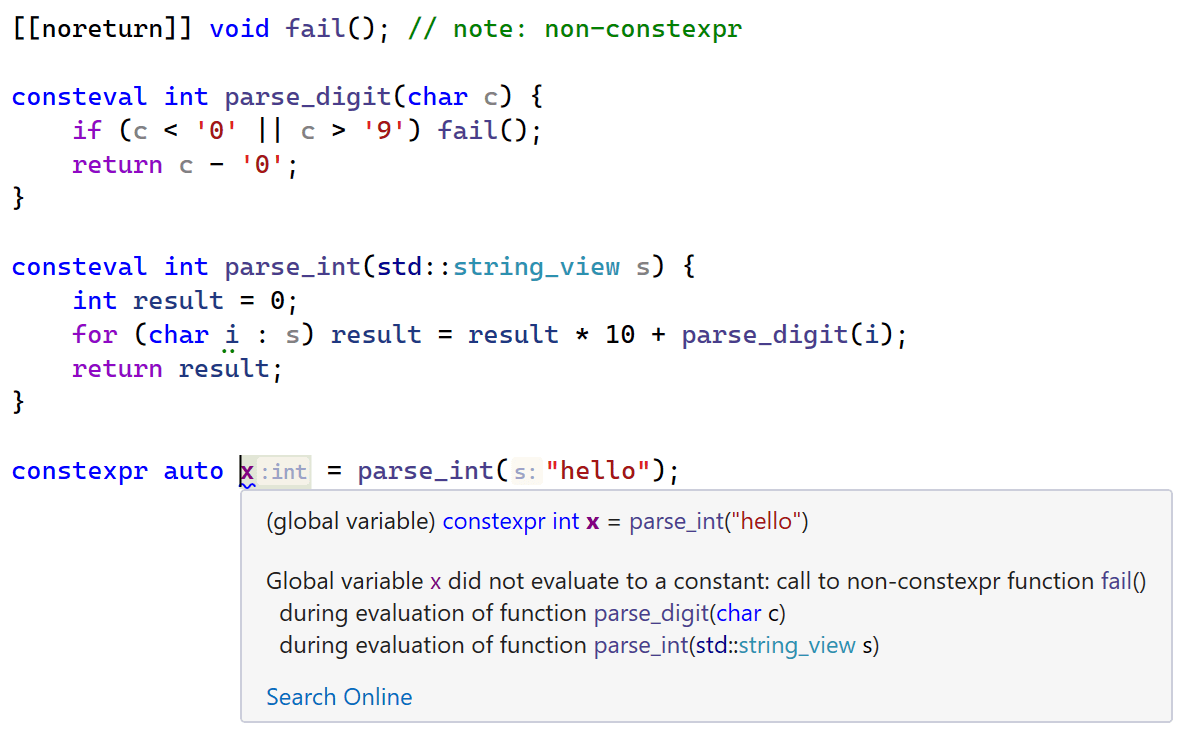
We’ve significantly enhanced ReSharper C++’s constexpr evaluation engine, fixing numerous edge cases and improving diagnostics. A new inspection now detects constexpr evaluation failures and shows a complete evaluation trace to help you quickly identify the source of the problem.
Unreal Engine development
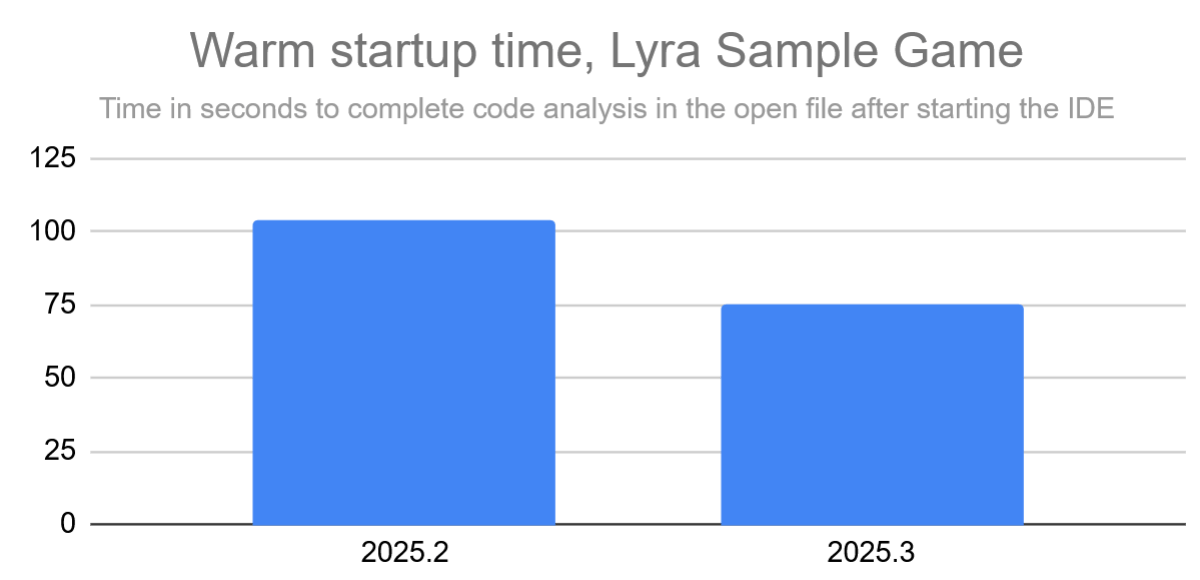
ReSharper C++ 2025.3 delivers a significant boost to Unreal Engine performance. Warm startup is now up to 30 % faster, and you can start editing immediately after opening a project — no need to wait for all assets to finish indexing.
Other Unreal Engine updates
- Support for the latest Sparse Class Data system introduced in UE 5.6.
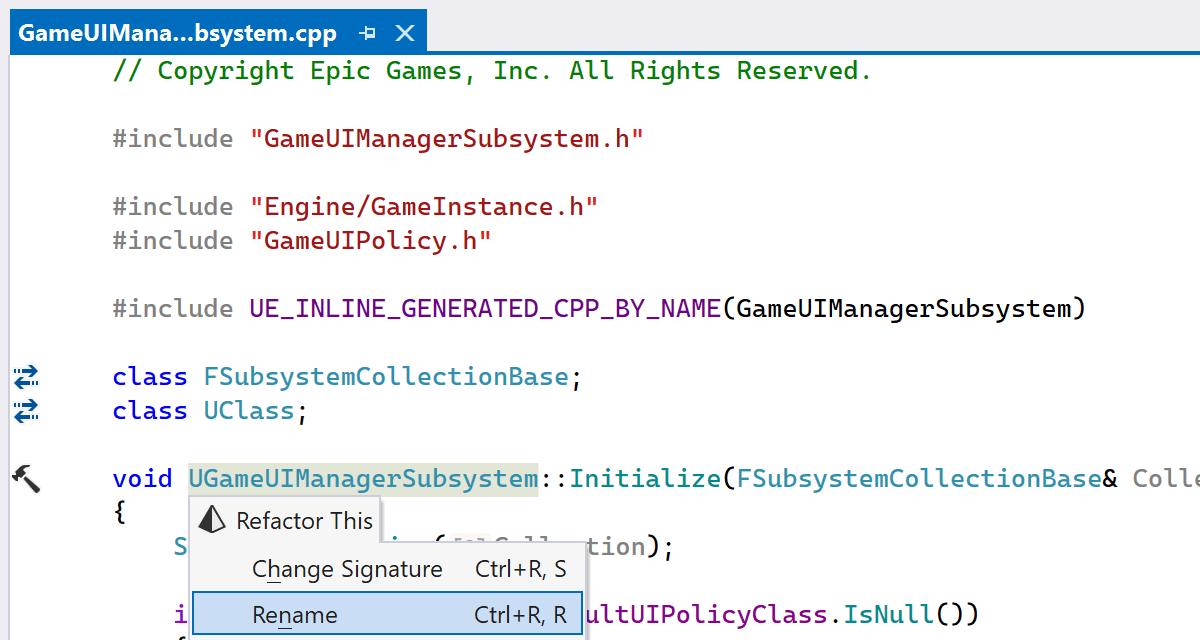
- The Rename refactoring now updates references inside
UE_INLINE_GENERATED_CPP_BY_NAMEmacros. - Formatter improvements: A new setting lets you indent declarations after
UFUNCTIONandUPROPERTY, and it no longer forces a new line afterUPARAM. - Auto-import now recognizes C# collection expressions when adding module references to
.Build.csfiles. - Support for the latest Unreal asset file format.
If you’re interested in a standalone cross-platform IDE for Unreal Engine development, consider Rider. The Unreal Engine support in Rider and ReSharper C++ is aligned, and you can expect the same improvements in the Rider 2025.3 update.
Out-of-Process mode
We’ve continued to refine Out-of-Process (OOP) mode, improving stability and feature parity with the classic in-process setup.
- Features like Peek Definition, Unit Testing, Inlay Hints for Unreal Engine, and File Templates are now available in OOP mode.
- The backend process now runs on the .NET Core runtime, delivering better responsiveness and reduced memory use.
You can enable OOP mode under ReSharper | Options | Environment | Products & Features → Run ReSharper in separate process.
Coding assistance and tooling
- ReSharper C++ now bundles the latest Clang-Tidy and Clang-Format binaries, bringing new checks and formatting enhancements from LLVM 21.
- Extract Method refactoring: You can now choose a local variable to return from the newly created function.
- Improved performance in the Change Signature dialog preview pane, especially in headers with many includes.
- Quick Info now displays the total padding within a class, helping you optimize memory layout.
- A new formatter option lets you align designated initializers in columns for more consistent code style.
Tell us what you think
We’d love to hear your feedback on this release! Share your thoughts in the comments below.